RV Repair Winter Garden provides mobile rv de-winterization throughout Orange, Lake, and Osceola counties. Our certified technician comes to your wherever your RV is parked. Flat-rate pricing quoted before we start - no towing required.
Our certified mobile technicians provide rv de-winterization throughout Winter Garden and all of Orange, Lake, and Osceola counties. We come to your wherever your RV is parked - no towing, no shop drop-off required.
Feat Ac Repair in Winter Garden, FLFeat Slide Out in Winter Garden, FL
Flat-rate pricing is given before any work begins. You approve the price, we do the work. Available 7 days a week, 7 AM to 8 PM.
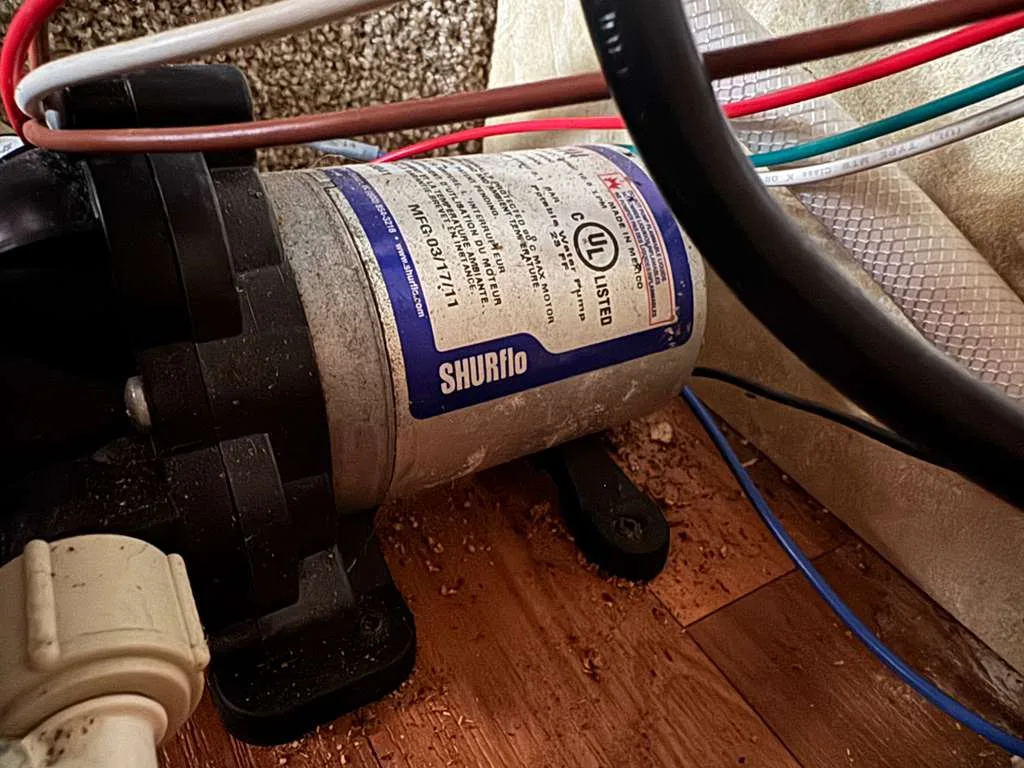
RV de-winterization runs $65 to $145 on a mobile call. The process includes flushing antifreeze from all lines, sanitizing the fresh water tank, checking all connections for leaks, testing the water pump, and verifying hot water heater operation.
Connect to city water or fill the fresh tank. Open each faucet hot and cold and run until water runs clear with no pink tint - typically 2 to 4 gallons total.
Run the toilet flush and outdoor shower if equipped. Change the fresh water filter cartridge, which will have absorbed antifreeze.
Yes - a dilute bleach flush is recommended after any storage period. Mix 1/4 cup household bleach per 15 gallons of tank capacity, fill the tank, run water through every faucet to distribute, let sit 4 hours, then flush completely with fresh water. This prevents bacterial growth that develops during storage.
Check it annually - de-winterization is a good time. Remove the anode rod from the water heater drain plug location and inspect.
An anode rod consumed to less than half its original diameter needs replacement. A fresh anode rod costs $8 to $15 and prevents the tank's steel lining from corroding.
Check all faucets for full flow and no drips, test the water pump pressure (should hold and not cycle), verify the water heater produces hot water, check under all sinks and at the water pump connections for drips after 30 minutes of use, and test the toilet fill valve. About 10% of de-winterizations reveal a fitting that developed a pinhole during storage.
Do not use antifreeze-treated water for drinking or cooking. The antifreeze is non-toxic but tastes bad and should not be consumed continuously.
Flush all lines before use. Using the system unflushed does not cause mechanical damage, but it is unpleasant and leaves antifreeze residue in the water heater tank.
After 2-plus years of storage, inspect the water pump check valve and diaphragm before operating - they can stick from long disuse. Check the city water inlet screen for mineral deposits. Run antifreeze-flushed water until the smell is completely gone, then sanitize the tank before considering the water system safe for use.
Yes - the water heater bypass valve diverts flow around the tank during winterization. After de-winterization, verify the bypass valve is returned to the normal (non-bypass) position before turning on the water heater. Heating a dry tank causes thermostat failure and can damage the heating element.
For stored RVs, de-winterize before any use during the winter months and before leaving for a trip. If the RV was winterized for storage in October or November and you're taking it out in February or March, a full de-winterization and leak check is the right first step before loading the RV for travel.
Yes - the process is straightforward: reconnect water heater bypasses, fill the fresh tank, flush all faucets, sanitize, and test. The value of a professional de-winterization is the full leak inspection with the system pressurized, and checking the anode rod and water heater condition that DIYers often skip.
FAQ
Common Questions
RV de-winterization runs $65 to $145 on a mobile call. The process includes flushing antifreeze from all lines, sanitizing the fresh water tank, checking all connections for leaks, testing the water pump, and verifying hot water heater operation.
Connect to city water or fill the fresh tank. Open each faucet hot and cold and run until water runs clear with no pink tint - typically 2 to 4 gallons total.
Run the toilet flush and outdoor shower if equipped. Change the fresh water filter cartridge, which will have absorbed antifreeze.
Yes - a dilute bleach flush is recommended after any storage period. Mix 1/4 cup household bleach per 15 gallons of tank capacity, fill the tank, run water through every faucet to distribute, let sit 4 hours, then flush completely with fresh water. This prevents bacterial growth that develops during storage.
Check it annually - de-winterization is a good time. Remove the anode rod from the water heater drain plug location and inspect.
An anode rod consumed to less than half its original diameter needs replacement. A fresh anode rod costs $8 to $15 and prevents the tank's steel lining from corroding.
Check all faucets for full flow and no drips, test the water pump pressure (should hold and not cycle), verify the water heater produces hot water, check under all sinks and at the water pump connections for drips after 30 minutes of use, and test the toilet fill valve. About 10% of de-winterizations reveal a fitting that developed a pinhole during storage.
Do not use antifreeze-treated water for drinking or cooking. The antifreeze is non-toxic but tastes bad and should not be consumed continuously.
Flush all lines before use. Using the system unflushed does not cause mechanical damage, but it is unpleasant and leaves antifreeze residue in the water heater tank.
After 2-plus years of storage, inspect the water pump check valve and diaphragm before operating - they can stick from long disuse. Check the city water inlet screen for mineral deposits. Run antifreeze-flushed water until the smell is completely gone, then sanitize the tank before considering the water system safe for use.
Yes - the water heater bypass valve diverts flow around the tank during winterization. After de-winterization, verify the bypass valve is returned to the normal (non-bypass) position before turning on the water heater. Heating a dry tank causes thermostat failure and can damage the heating element.
For stored RVs, de-winterize before any use during the winter months and before leaving for a trip. If the RV was winterized for storage in October or November and you're taking it out in February or March, a full de-winterization and leak check is the right first step before loading the RV for travel.
Yes - the process is straightforward: reconnect water heater bypasses, fill the fresh tank, flush all faucets, sanitize, and test. The value of a professional de-winterization is the full leak inspection with the system pressurized, and checking the anode rod and water heater condition that DIYers often skip.
RV Problem? We Come to You.
Same-day service across Winter Garden and all of Central Florida. Guaranteed flat-rate pricing before we start.