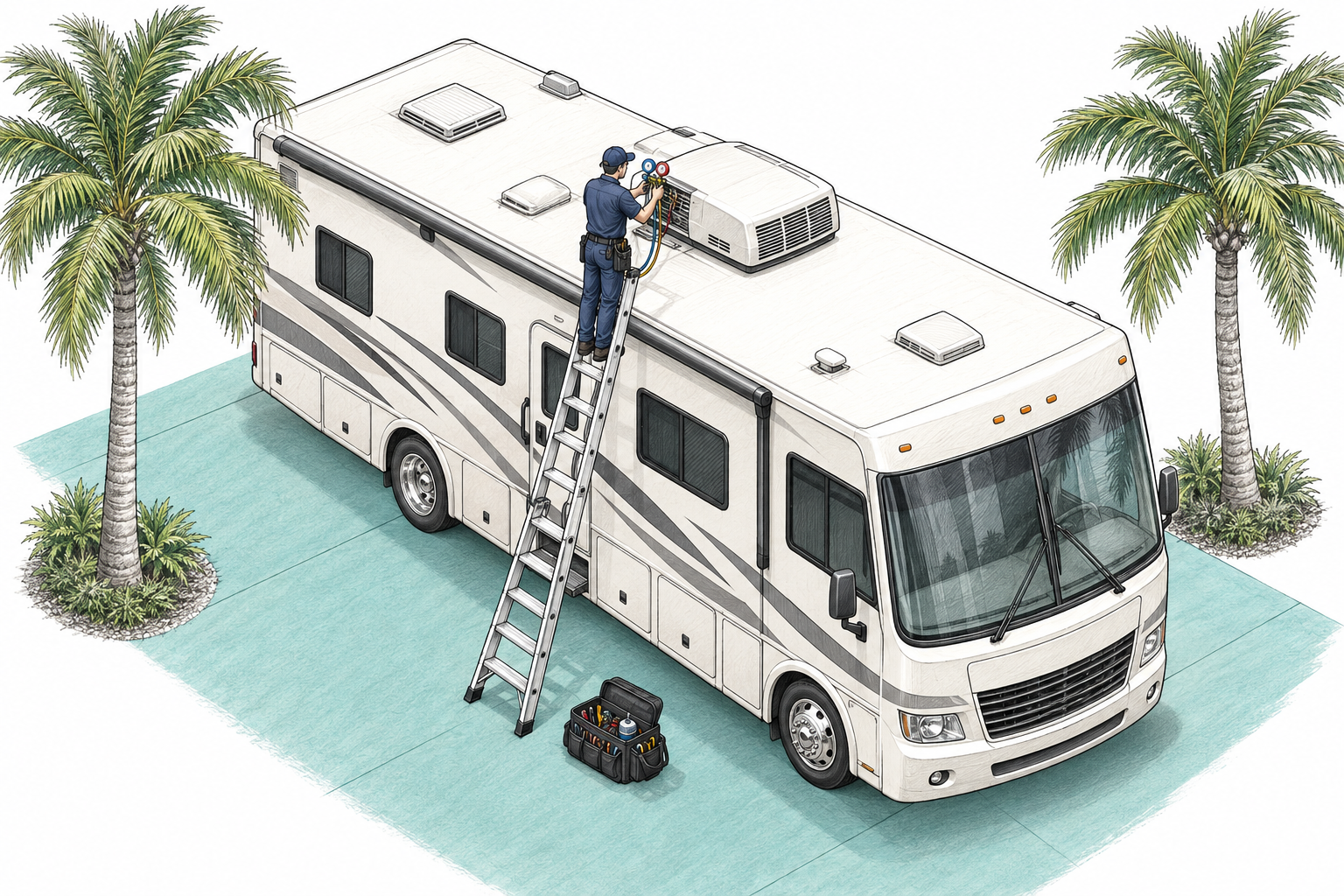
RV Repair Winter Garden provides mobile rv water damage repair throughout Orange, Lake, and Osceola counties. Our certified technician comes to your wherever your RV is parked. Flat-rate pricing quoted before we start - no towing required.
Our certified mobile technicians provide rv water damage repair throughout Winter Garden and all of Orange, Lake, and Osceola counties. We come to your wherever your RV is parked - no towing, no shop drop-off required.
Feat Ac Repair in Winter Garden, FLFeat Slide Out in Winter Garden, FL
Flat-rate pricing is given before any work begins. You approve the price, we do the work. Available 7 days a week, 7 AM to 8 PM.
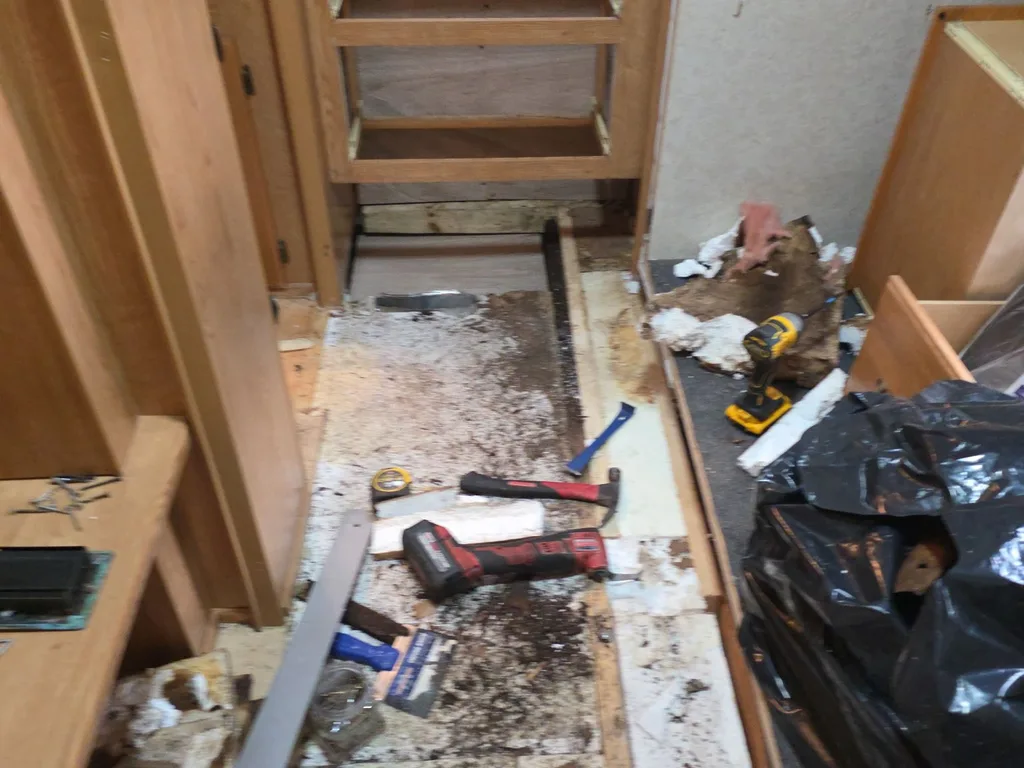
RV water damage repair ranges widely: a localized ceiling patch with dried substrate runs $245 to $650. Multi-system water damage affecting ceiling, walls, and floor in one area runs $850 to $2,800. Extensive structural damage requiring substrate replacement throughout the coach runs $3,500 to $8,000 or more.
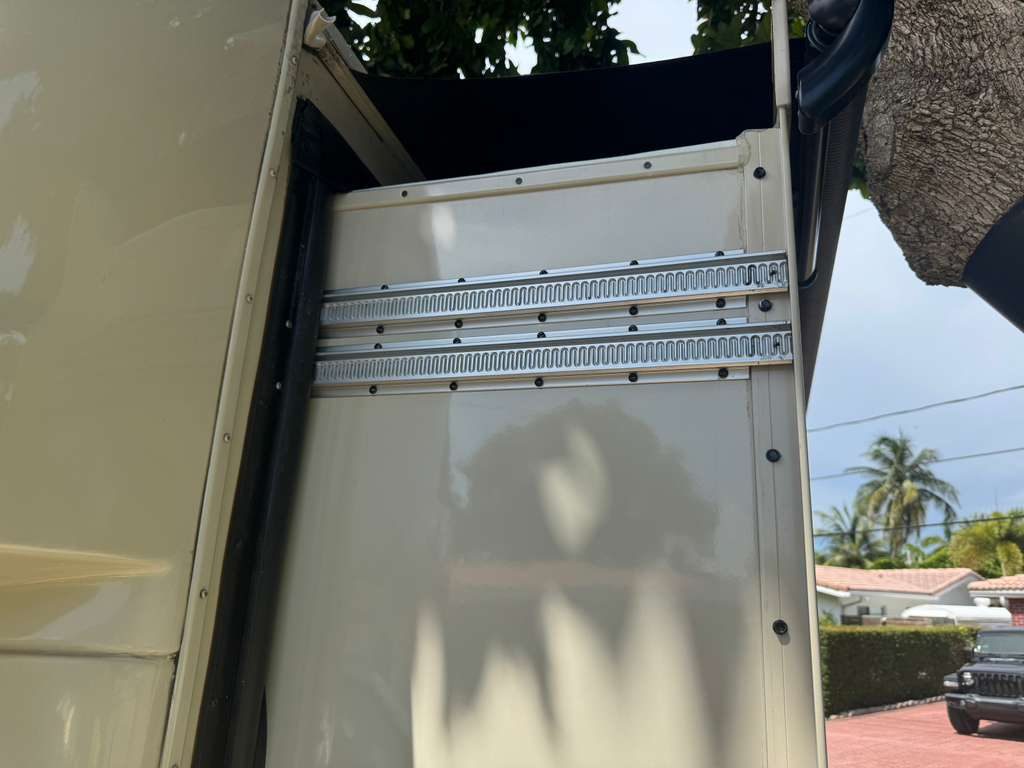
Start at the roof - inspect all sealant seams, vent flanges, and AC mounting gaskets with a moisture meter. The damage inside is downstream from the entry point, so trace the wet area upward and toward exterior walls to find where water is entering. A garden hose test - simulating rain by wetting specific areas while someone watches inside - can pinpoint the entry point.
Yes, in most cases - if the structural framing (aluminum) is intact and the substrate damage is fully removed and replaced, the repair is functionally equivalent to new. The limiting factor is cosmetic matching of interior fabrics and panels. We document all repairs with before/after photos for insurance claims.
Water damage from a sudden covered event (storm, burst water line) is typically covered. Gradual water infiltration from maintenance neglect (failed sealant) is almost always excluded as a maintenance issue. Document the cause of entry carefully - insurance outcomes often hinge on whether the adjuster classifies the damage as sudden or gradual.
Active drying with air movers and dehumidifiers takes 2 to 5 days for light moisture infiltration. Saturated substrate in a floor or wall section can take 7 to 14 days to reach acceptable moisture levels for repair. Mold begins growing within 48 to 72 hours at Florida temperatures, so starting the drying process immediately is critical.
Yes - mold growth in a Florida RV after water damage begins within 48 hours at ambient temperatures. Black mold (Stachybotrys) can establish within 7 to 10 days on wet lauan substrate. We assess for mold during every water damage inspection and recommend professional mold remediation when growth is confirmed.
Stop the water source first. Then remove all wet soft goods (mattresses, cushions, clothing). Ventilate the area with fans and open windows.
If you have a dehumidifier, run it. Document everything with photos before any cleanup. Contact us for a moisture meter assessment to determine the full extent of damage before making repairs.
Yes - we assess and repair water damage at storage facilities, campgrounds, and private driveways. For major structural repairs we prefer an open outdoor location for drying and for access to multiple sides of the RV. Indoor storage with good ventilation also works for many repair types.
Annual seam and sealant inspection is the most important prevention step. Keep the roof clear of debris (oak leaves and pine needles hold moisture against sealant). Maintain the vent and window seals.
A breathable RV cover provides UV protection without trapping condensation. Monthly walk-around inspections catch developing issues before they cause damage.
A water stain is cosmetic - discoloration on an otherwise dry and structurally sound surface. Serious water damage involves substrate saturation, structural softening, and possible mold.
The distinction is made with a moisture meter and physical probe test of the affected area. A dry surface stain requires cosmetic treatment only; a wet surface requires structural intervention.
FAQ
Common Questions
RV water damage repair ranges widely: a localized ceiling patch with dried substrate runs $245 to $650. Multi-system water damage affecting ceiling, walls, and floor in one area runs $850 to $2,800. Extensive structural damage requiring substrate replacement throughout the coach runs $3,500 to $8,000 or more.
Start at the roof - inspect all sealant seams, vent flanges, and AC mounting gaskets with a moisture meter. The damage inside is downstream from the entry point, so trace the wet area upward and toward exterior walls to find where water is entering. A garden hose test - simulating rain by wetting specific areas while someone watches inside - can pinpoint the entry point.
Yes, in most cases - if the structural framing (aluminum) is intact and the substrate damage is fully removed and replaced, the repair is functionally equivalent to new. The limiting factor is cosmetic matching of interior fabrics and panels. We document all repairs with before/after photos for insurance claims.
Water damage from a sudden covered event (storm, burst water line) is typically covered. Gradual water infiltration from maintenance neglect (failed sealant) is almost always excluded as a maintenance issue. Document the cause of entry carefully - insurance outcomes often hinge on whether the adjuster classifies the damage as sudden or gradual.
Active drying with air movers and dehumidifiers takes 2 to 5 days for light moisture infiltration. Saturated substrate in a floor or wall section can take 7 to 14 days to reach acceptable moisture levels for repair. Mold begins growing within 48 to 72 hours at Florida temperatures, so starting the drying process immediately is critical.
Yes - mold growth in a Florida RV after water damage begins within 48 hours at ambient temperatures. Black mold (Stachybotrys) can establish within 7 to 10 days on wet lauan substrate. We assess for mold during every water damage inspection and recommend professional mold remediation when growth is confirmed.
Stop the water source first. Then remove all wet soft goods (mattresses, cushions, clothing). Ventilate the area with fans and open windows.
If you have a dehumidifier, run it. Document everything with photos before any cleanup. Contact us for a moisture meter assessment to determine the full extent of damage before making repairs.
Yes - we assess and repair water damage at storage facilities, campgrounds, and private driveways. For major structural repairs we prefer an open outdoor location for drying and for access to multiple sides of the RV. Indoor storage with good ventilation also works for many repair types.
Annual seam and sealant inspection is the most important prevention step. Keep the roof clear of debris (oak leaves and pine needles hold moisture against sealant). Maintain the vent and window seals.
A breathable RV cover provides UV protection without trapping condensation. Monthly walk-around inspections catch developing issues before they cause damage.
A water stain is cosmetic - discoloration on an otherwise dry and structurally sound surface. Serious water damage involves substrate saturation, structural softening, and possible mold.
The distinction is made with a moisture meter and physical probe test of the affected area. A dry surface stain requires cosmetic treatment only; a wet surface requires structural intervention.
RV Problem? We Come to You.
Same-day service across Winter Garden and all of Central Florida. Guaranteed flat-rate pricing before we start.