RV Repair Winter Garden provides mobile rv post-storage inspection throughout Orange, Lake, and Osceola counties. Our certified technician comes to your wherever your RV is parked. Flat-rate pricing quoted before we start - no towing required.
Our certified mobile technicians provide rv post-storage inspection throughout Winter Garden and all of Orange, Lake, and Osceola counties. We come to your wherever your RV is parked - no towing, no shop drop-off required.
Feat Ac Repair in Winter Garden, FLFeat Slide Out in Winter Garden, FL
Flat-rate pricing is given before any work begins. You approve the price, we do the work. Available 7 days a week, 7 AM to 8 PM.
1Call us with the details. Tell us about the rv post-storage inspection issue and where your RV is located. We provide a flat-rate quote over the phone.
2Tech dispatched to your location. A certified technician drives to your wherever your RV is parked with the tools and parts needed.
3Repaired on-site, same day. Most rv post-storage inspection jobs are completed in a single visit. No waiting, no shop drop-off, no towing fees.
4Pay only what was quoted. The price you approved upfront is the price you pay. No surprise charges after the fact.
A post-storage inspection in Winter Garden runs $125 to $225. This includes verifying all systems after a storage period, checking for pest intrusion, rodent nesting in wiring and vents, de-winterization verification, battery condition test, and roof inspection after rain exposure.
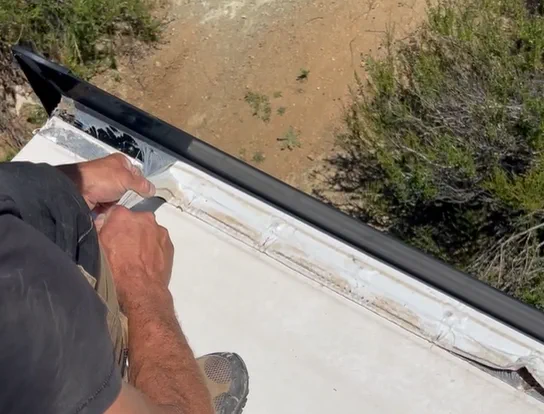
Roof sealant (UV degradation continues in storage), all tires for age and sidewall cracking, battery voltage and capacity, pest or rodent evidence in the engine bay and generator compartment, water heater anode rod, water system function after sitting, propane system leak check, all appliance operation, and wiper blade condition.
Central Florida's diverse rodent population - mice, rats, and squirrels - finds RV storage facilities hospitable year-round. Entry points are any gap larger than 1/4 inch around wiring entry, vents, and water line penetrations.
Rodents nest in the furnace, oven broiler compartment, and behind the refrigerator. A post-storage pest inspection checks all these locations.
Yes - rodent damage is significant and often not discovered until a system fails. Rodents chew wiring insulation (causing shorts and fires), nest in the furnace combustion chamber (causing CO risk on first light), and contaminate ductwork with feces. A post-storage inspection catches rodent damage before it becomes a roadside emergency.
Ethanol fuel degradation is the most common cause of generator no-start after storage. For a gas engine motorhome, a weak start battery (self-discharges over 3 months) is the primary cause, followed by fuel gumming in the carburetor. Diesel motorhomes may have algae growth in tank bottoms if the fuel was not treated with a biocide before storage.
De-winterization specifically addresses the water system: flushing antifreeze, sanitizing the tank, checking for freeze damage. A post-storage inspection is broader - it includes de-winterization components but also checks mechanical systems, pest intrusion, roof condition after months of exposure, and all appliance operation.
Run the generator under load for 30 minutes. Run the AC for 1 hour and verify temperature drop. Run all water through each faucet and verify pump holds pressure.
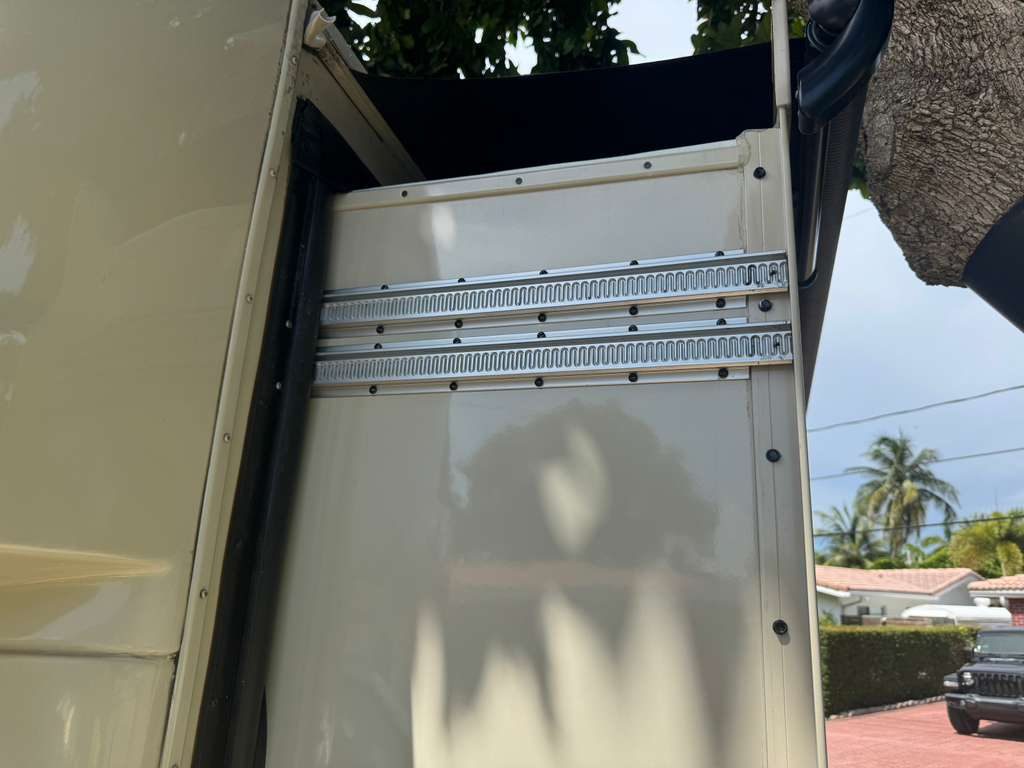
Light the water heater and let it fully recover. Test all slide operations twice. A 2-hour shakedown at home before a trip identifies any storage-related failures in a recoverable location.
Yes - at 18 months: expect water pump check valve wear, generator carburetor gumming, battery failure (not just discharge), and tire oxidation. Also inspect the LP regulator - rubber diaphragms harden over long disuse periods, causing pressure creep that can trip appliance safety valves. A full post-extended-storage inspection is worth the investment before relying on the RV.
Yes - Florida storage is harder on RVs than northern storage in several ways: UV degrades sealants, exterior graphics, and plastic components year-round. Humidity promotes mold and mildew in the interior.
Heat causes battery discharge and accelerates rubber seal hardening. Pests are active year-round, unlike northern states where winter interrupts their activity.
For a short, low-stakes outing close to home, this is lower risk. For any highway travel or multi-night trip away from home, a post-storage inspection is strong risk management. The most likely consequences of skipping are an unexpected generator failure, a tire blowout from sidewall cracking, or a water leak discovered 2 days into a trip.
FAQ
Common Questions
A post-storage inspection in Winter Garden runs $125 to $225. This includes verifying all systems after a storage period, checking for pest intrusion, rodent nesting in wiring and vents, de-winterization verification, battery condition test, and roof inspection after rain exposure.
Roof sealant (UV degradation continues in storage), all tires for age and sidewall cracking, battery voltage and capacity, pest or rodent evidence in the engine bay and generator compartment, water heater anode rod, water system function after sitting, propane system leak check, all appliance operation, and wiper blade condition.
Central Florida's diverse rodent population - mice, rats, and squirrels - finds RV storage facilities hospitable year-round. Entry points are any gap larger than 1/4 inch around wiring entry, vents, and water line penetrations.
Rodents nest in the furnace, oven broiler compartment, and behind the refrigerator. A post-storage pest inspection checks all these locations.
Yes - rodent damage is significant and often not discovered until a system fails. Rodents chew wiring insulation (causing shorts and fires), nest in the furnace combustion chamber (causing CO risk on first light), and contaminate ductwork with feces. A post-storage inspection catches rodent damage before it becomes a roadside emergency.
Ethanol fuel degradation is the most common cause of generator no-start after storage. For a gas engine motorhome, a weak start battery (self-discharges over 3 months) is the primary cause, followed by fuel gumming in the carburetor. Diesel motorhomes may have algae growth in tank bottoms if the fuel was not treated with a biocide before storage.
De-winterization specifically addresses the water system: flushing antifreeze, sanitizing the tank, checking for freeze damage. A post-storage inspection is broader - it includes de-winterization components but also checks mechanical systems, pest intrusion, roof condition after months of exposure, and all appliance operation.
Run the generator under load for 30 minutes. Run the AC for 1 hour and verify temperature drop. Run all water through each faucet and verify pump holds pressure.
Light the water heater and let it fully recover. Test all slide operations twice. A 2-hour shakedown at home before a trip identifies any storage-related failures in a recoverable location.
Yes - at 18 months: expect water pump check valve wear, generator carburetor gumming, battery failure (not just discharge), and tire oxidation. Also inspect the LP regulator - rubber diaphragms harden over long disuse periods, causing pressure creep that can trip appliance safety valves. A full post-extended-storage inspection is worth the investment before relying on the RV.
Yes - Florida storage is harder on RVs than northern storage in several ways: UV degrades sealants, exterior graphics, and plastic components year-round. Humidity promotes mold and mildew in the interior.
Heat causes battery discharge and accelerates rubber seal hardening. Pests are active year-round, unlike northern states where winter interrupts their activity.
For a short, low-stakes outing close to home, this is lower risk. For any highway travel or multi-night trip away from home, a post-storage inspection is strong risk management. The most likely consequences of skipping are an unexpected generator failure, a tire blowout from sidewall cracking, or a water leak discovered 2 days into a trip.
RV Problem? We Come to You.
Same-day service across Winter Garden and all of Central Florida. Guaranteed flat-rate pricing before we start.