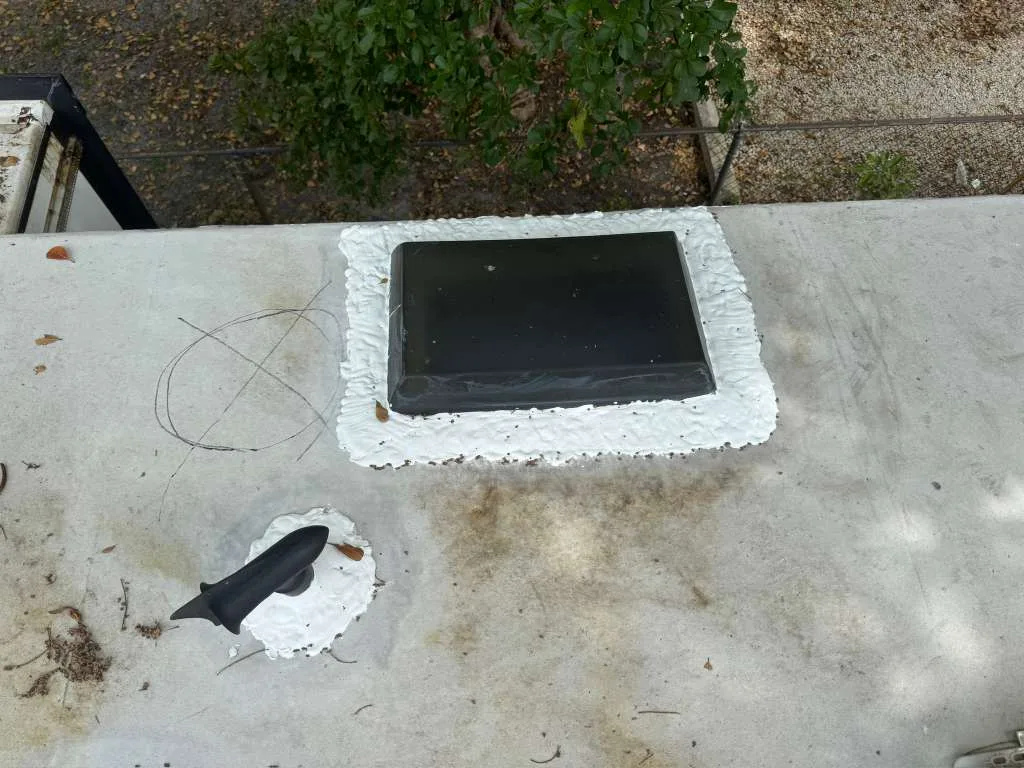
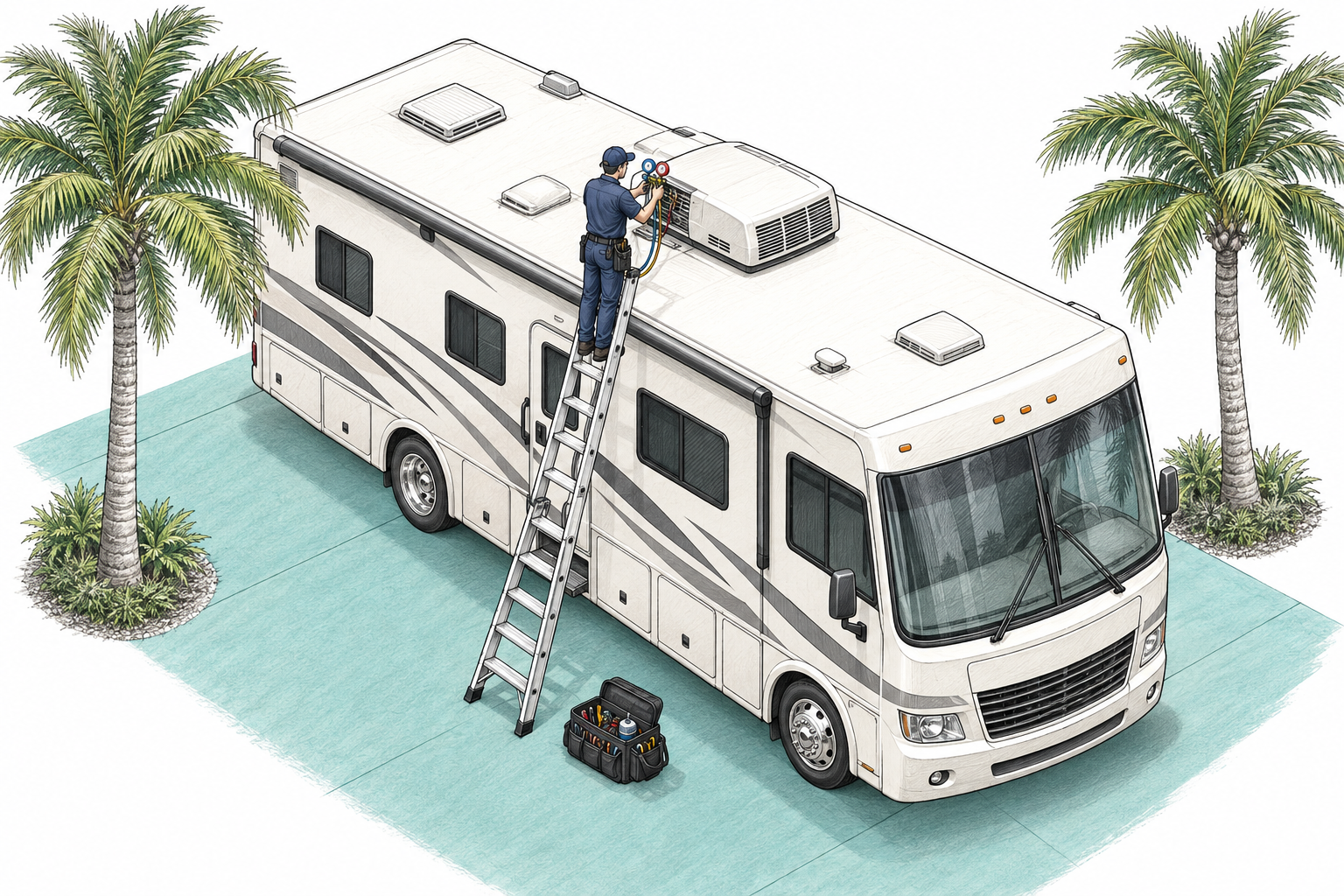
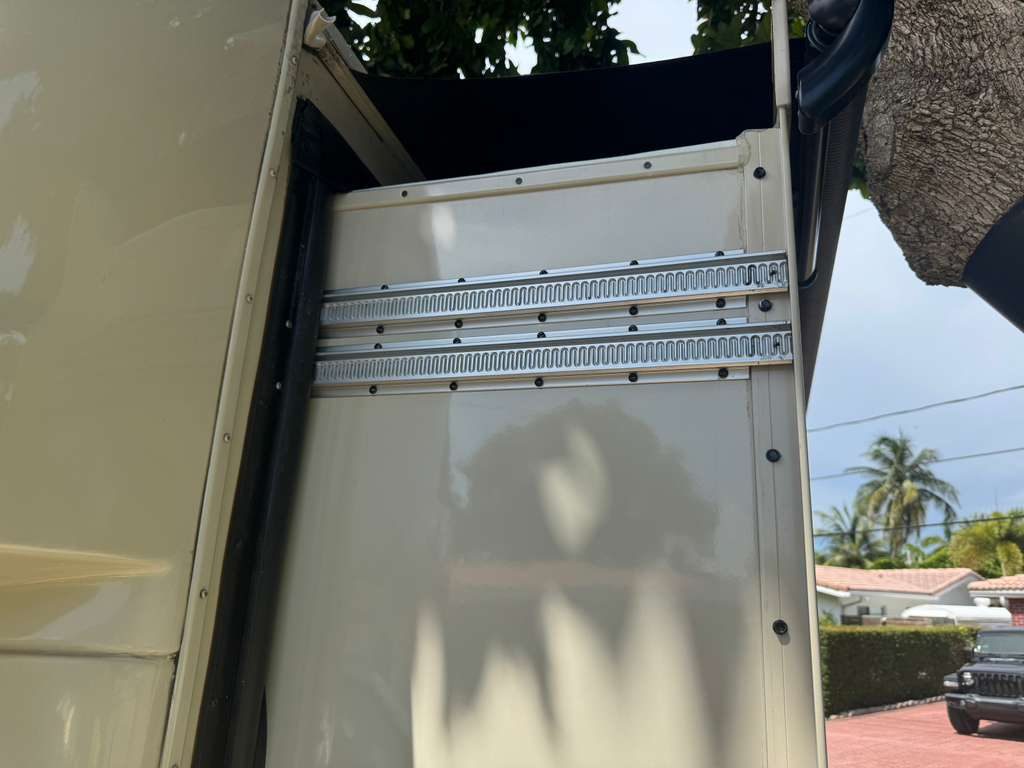
RV Repair Winter Garden provides mobile rv window reseal throughout Orange, Lake, and Osceola counties. Our certified technician comes to your wherever your RV is parked. Flat-rate pricing quoted before we start - no towing required.
Our certified mobile technicians provide rv window reseal throughout Winter Garden and all of Orange, Lake, and Osceola counties. We come to your wherever your RV is parked - no towing, no shop drop-off required.
Feat Ac Repair in Winter Garden, FLFeat Slide Out in Winter Garden, FL
Flat-rate pricing is given before any work begins. You approve the price, we do the work. Available 7 days a week, 7 AM to 8 PM.
RV window resealing runs $65 to $145 per window on a mobile call in Winter Garden. A whole-coach reseal including all windows, doors, and vents on a standard 30-foot RV runs $285 to $550. Sealing materials are included in the quoted price.
Every 12 to 18 months for RVs stored outdoors in Central Florida. Florida's UV index of 9 to 11 during summer months degrades RV window frame sealant roughly twice as fast as northern climates. Annual pre-rainy-season resealing before June prevents the majority of window leaks.
Cracked or missing window sealant allows water to wick between the window frame and the RV sidewall. After 2 to 3 Florida rainy seasons, the lauan substrate behind the wall panel at the window surround becomes saturated, soft, and eventually develops mold. A $95 annual reseal prevents a $450 to $850 substrate and panel replacement.
Yes - with Dicor non-sag lap sealant and a standard caulk gun. The critical step is removing all old sealant before applying new - applying over cracked old sealant is cosmetic only and does not seal.
Use a plastic scraper and mineral spirits to prep the surface. An RV with well-prepped and freshly sealed windows in May is protected for an entire Florida rainy season.
Use a plastic trim pull tool or a plastic putty knife to score and lift the old sealant. Soften remaining material with a heat gun on low. Clean residue with mineral spirits on a rag.
Do not use acetone on plastic window frames - it causes permanent frosting. Ensure the surface is completely dry before applying new sealant.
The interior window gasket - a rubber strip between the window frame and the interior wall - should be inspected annually. If the interior gasket is dry or cracked, moisture that bypasses the exterior sealant will enter the RV more readily. Interior gasket replacement adds $25 to $45 per window to the reseal service.
Yes - Dicor sealant bonds adequately in Florida's ambient humidity. Avoid application in rain or when the surface is wet from dew. The sealant skins over in 2 to 4 hours in Florida conditions.
Full cure in 48 hours. The heat actually accelerates skin formation compared to northern application conditions.
New sealant applied over old sealant (without full removal), application to a wet or contaminated surface, or using silicone sealant instead of butyl or latex-based Dicor are the most common causes. Silicone does not bond well to most RV substrates and will peel within one Florida summer.
The slide-room windows - which experience more movement stress - need more frequent attention than fixed windows. Rear window seals on fifth wheels and travel trailers experience more vibration stress from towing.
Corner windows, where two panels meet, are higher-movement points. All should be inspected; priority the slide and corner windows first.
A standard 10-inch caulk gun, a plastic scraper, mineral spirits or denatured alcohol for surface prep, painter's tape for clean edge lines, and a spray bottle of soapy water to smooth the final bead. Professional installation adds a detail tool for inside corners and consistent bead width, which improves both appearance and water-shedding.
FAQ
Common Questions
RV window resealing runs $65 to $145 per window on a mobile call in Winter Garden. A whole-coach reseal including all windows, doors, and vents on a standard 30-foot RV runs $285 to $550. Sealing materials are included in the quoted price.
Every 12 to 18 months for RVs stored outdoors in Central Florida. Florida's UV index of 9 to 11 during summer months degrades RV window frame sealant roughly twice as fast as northern climates. Annual pre-rainy-season resealing before June prevents the majority of window leaks.
Cracked or missing window sealant allows water to wick between the window frame and the RV sidewall. After 2 to 3 Florida rainy seasons, the lauan substrate behind the wall panel at the window surround becomes saturated, soft, and eventually develops mold. A $95 annual reseal prevents a $450 to $850 substrate and panel replacement.
Yes - with Dicor non-sag lap sealant and a standard caulk gun. The critical step is removing all old sealant before applying new - applying over cracked old sealant is cosmetic only and does not seal.
Use a plastic scraper and mineral spirits to prep the surface. An RV with well-prepped and freshly sealed windows in May is protected for an entire Florida rainy season.
Use a plastic trim pull tool or a plastic putty knife to score and lift the old sealant. Soften remaining material with a heat gun on low. Clean residue with mineral spirits on a rag.
Do not use acetone on plastic window frames - it causes permanent frosting. Ensure the surface is completely dry before applying new sealant.
The interior window gasket - a rubber strip between the window frame and the interior wall - should be inspected annually. If the interior gasket is dry or cracked, moisture that bypasses the exterior sealant will enter the RV more readily. Interior gasket replacement adds $25 to $45 per window to the reseal service.
Yes - Dicor sealant bonds adequately in Florida's ambient humidity. Avoid application in rain or when the surface is wet from dew. The sealant skins over in 2 to 4 hours in Florida conditions.
Full cure in 48 hours. The heat actually accelerates skin formation compared to northern application conditions.
New sealant applied over old sealant (without full removal), application to a wet or contaminated surface, or using silicone sealant instead of butyl or latex-based Dicor are the most common causes. Silicone does not bond well to most RV substrates and will peel within one Florida summer.
The slide-room windows - which experience more movement stress - need more frequent attention than fixed windows. Rear window seals on fifth wheels and travel trailers experience more vibration stress from towing.
Corner windows, where two panels meet, are higher-movement points. All should be inspected; priority the slide and corner windows first.
A standard 10-inch caulk gun, a plastic scraper, mineral spirits or denatured alcohol for surface prep, painter's tape for clean edge lines, and a spray bottle of soapy water to smooth the final bead. Professional installation adds a detail tool for inside corners and consistent bead width, which improves both appearance and water-shedding.
RV Problem? We Come to You.
Same-day service across Winter Garden and all of Central Florida. Guaranteed flat-rate pricing before we start.